Hearing Aids
Short answer
A hearing aid is a small programmable device that picks up sound, processes it and delivers it to your ear shaped to your own hearing profile. It does not restore normal hearing; it makes the sounds you struggle with more available, and the benefit depends heavily on accurate fitting and follow-up rather than on the model alone.
Modern hearing aids are small computers. What separates a device that stays in a drawer from one that becomes part of daily life is the fitting process: measuring, programming to your audiogram, listening to your feedback and adjusting over time.
Request an appointment for this service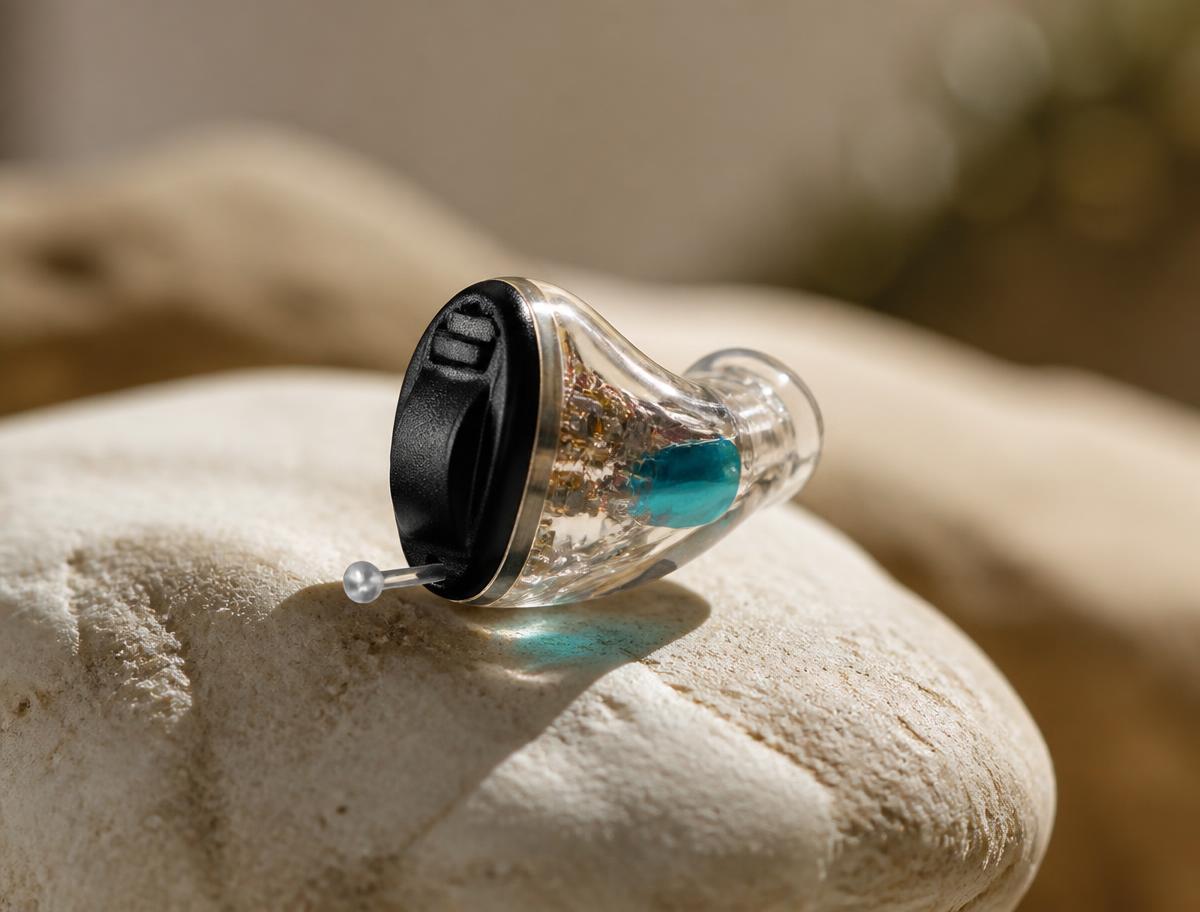
Who it may be for
- An assessment has shown a hearing difference that technology could help with
- You already wear hearing aids and want them reviewed or re-tuned
- You want to understand the options before making any decision
- Listening in meetings or family gatherings has become effortful
Common signs and symptoms
- You hear people speaking but cannot separate words
- You rely on lip reading or subtitles
- Group conversation is significantly harder than one-to-one
- Your current devices whistle, feel uncomfortable or sound flat
What happens during the appointment
Review of your audiogram and the listening situations that matter most to you
Discussion of styles, features and practical considerations such as dexterity and battery type
Physical fitting and comfort checks, including ear impressions when a custom fit is needed
Programming the devices to your hearing profile and verifying the settings
Practical training: inserting, cleaning, charging and connecting to a phone
A follow-up plan, because first-fit settings are a starting point rather than a finish line
What to expect afterwards
Adaptation usually takes time. Voices, footsteps and paper can sound bright at first because your brain is receiving sound it has not had for a while. Follow-up appointments exist precisely to refine this, and honest feedback about what sounds wrong is the most useful thing you can bring.
Good to know
- Hearing aids are prescribed to a measured hearing profile; devices bought without measurement may amplify the wrong sounds.
- Two ears usually work better together than one when both have a hearing difference.
- Cleaning and drying habits have a large effect on how long devices keep working well.
Common questions
Related services
Hearing Test & Hearing Assessment
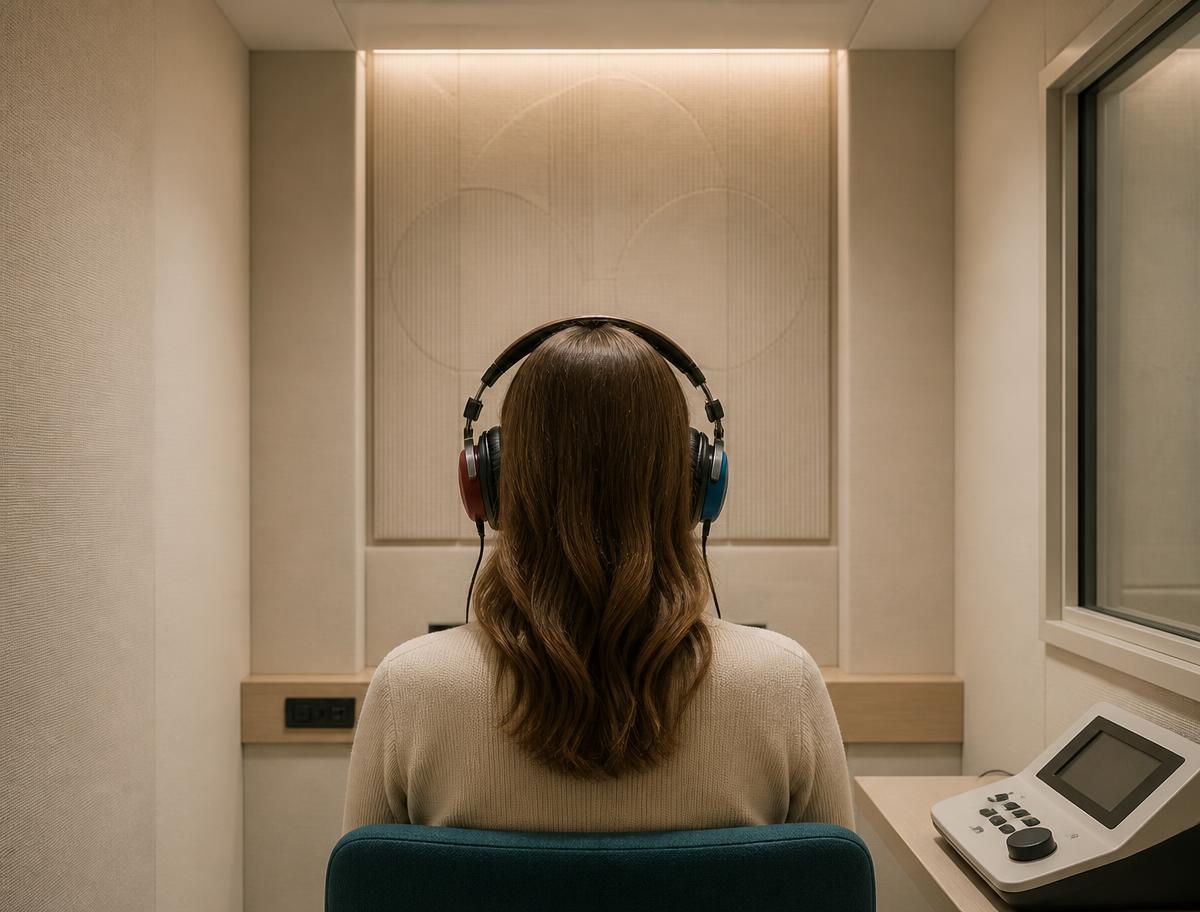
A hearing test is a painless set of checks that measures how well you hear different pitches and volumes, and how clearly you understand speech.…
Learn more
Hearing Loss Support
Hearing loss means a reduced ability to detect or understand sound in one or both ears. It often develops slowly, so the earliest signs are usually…
Learn more
Tinnitus Support
Tinnitus is the perception of sound — ringing, buzzing, humming or hissing — when there is no external sound source. It is a symptom rather than a…
Learn moreReady to take the next step?
Book a hearing assessment or send us your question — we will reply personally.