Tinnitus Support
Short answer
Tinnitus is the perception of sound — ringing, buzzing, humming or hissing — when there is no external sound source. It is a symptom rather than a disease, it is common, and it has many possible contributing factors. Depending on the pattern and any accompanying symptoms, it may warrant professional evaluation.
Tinnitus is often described as unexplainable, which makes it stressful. Much of the distress comes from uncertainty, so the first useful step is usually understanding: what your hearing looks like, what pattern your tinnitus follows, and what is known about it.
Request an appointment for this service
Who it may be for
- You hear ringing, buzzing or hissing that others cannot hear
- The sound affects your sleep or concentration
- Your tinnitus has changed recently
- You have tinnitus alongside hearing difficulty
Common signs and symptoms
- Ringing, buzzing, hissing, clicking or humming with no external source
- More noticeable in quiet environments or at night
- Difficulty falling asleep because of the sound
- Increased awareness of it during stressful periods
What happens during the appointment
A detailed conversation about the sound: when it started, its character, whether it pulses, and whether it is in one or both ears
Examination of the ears
A hearing assessment, because tinnitus and hearing changes often appear together
Discussion of factors that may be contributing, including noise exposure and sleep
An explanation of management approaches and, when indicated, referral for medical evaluation
What to expect afterwards
Support usually combines education, sound-based strategies, attention to sleep and stress, and addressing any hearing difference found. Many people find their relationship with the sound changes even when the sound itself persists.
Good to know
- Tinnitus that is pulsing in time with your heartbeat, only in one ear, or accompanied by sudden hearing change, severe dizziness or neurological symptoms should be evaluated promptly by a medical professional.
- Silence can make tinnitus more noticeable; low-level background sound is a common everyday strategy.
- Protecting your hearing from loud noise remains sensible whether or not you already have tinnitus.
Common questions
Related services
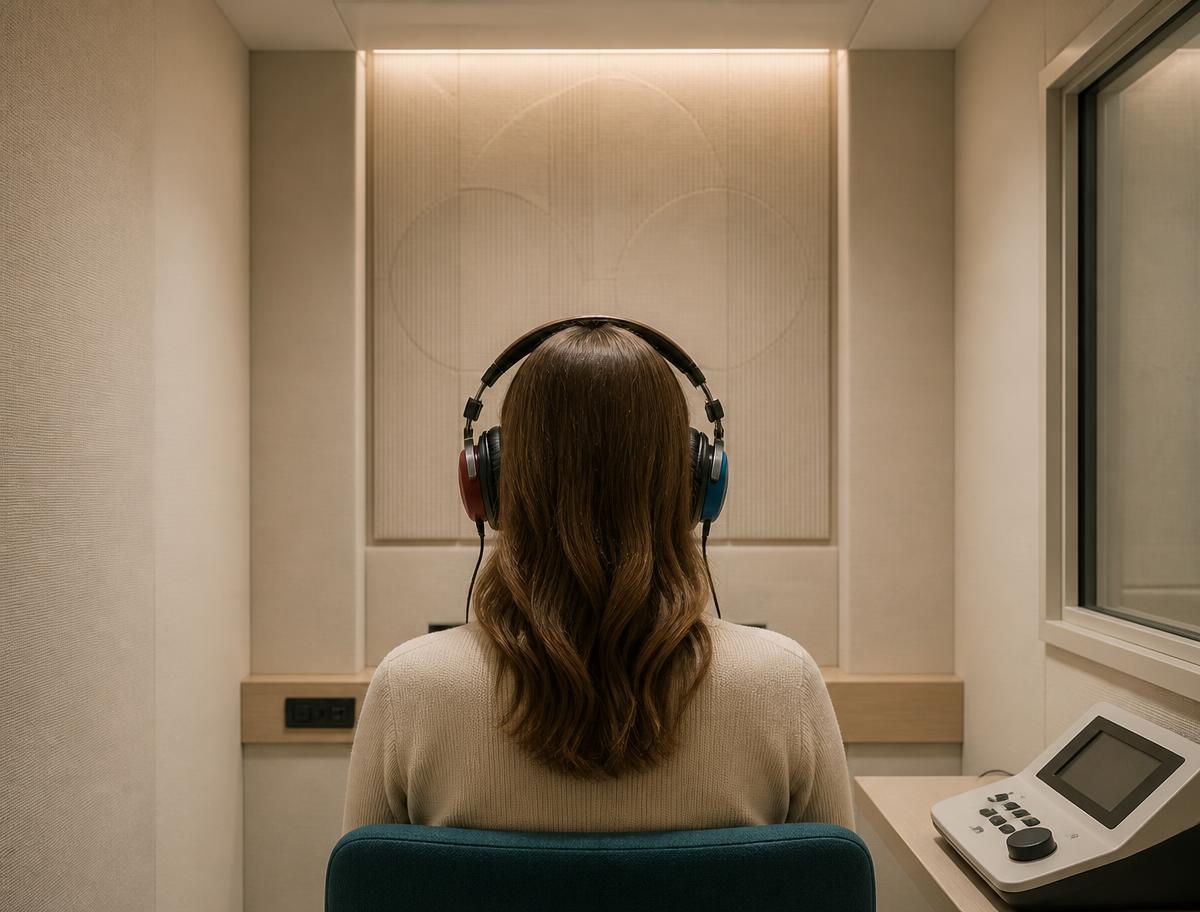
Hearing Test & Hearing Assessment
A hearing test is a painless set of checks that measures how well you hear different pitches and volumes, and how clearly you understand speech.…
Learn more
Hearing Loss Support
Hearing loss means a reduced ability to detect or understand sound in one or both ears. It often develops slowly, so the earliest signs are usually…
Learn more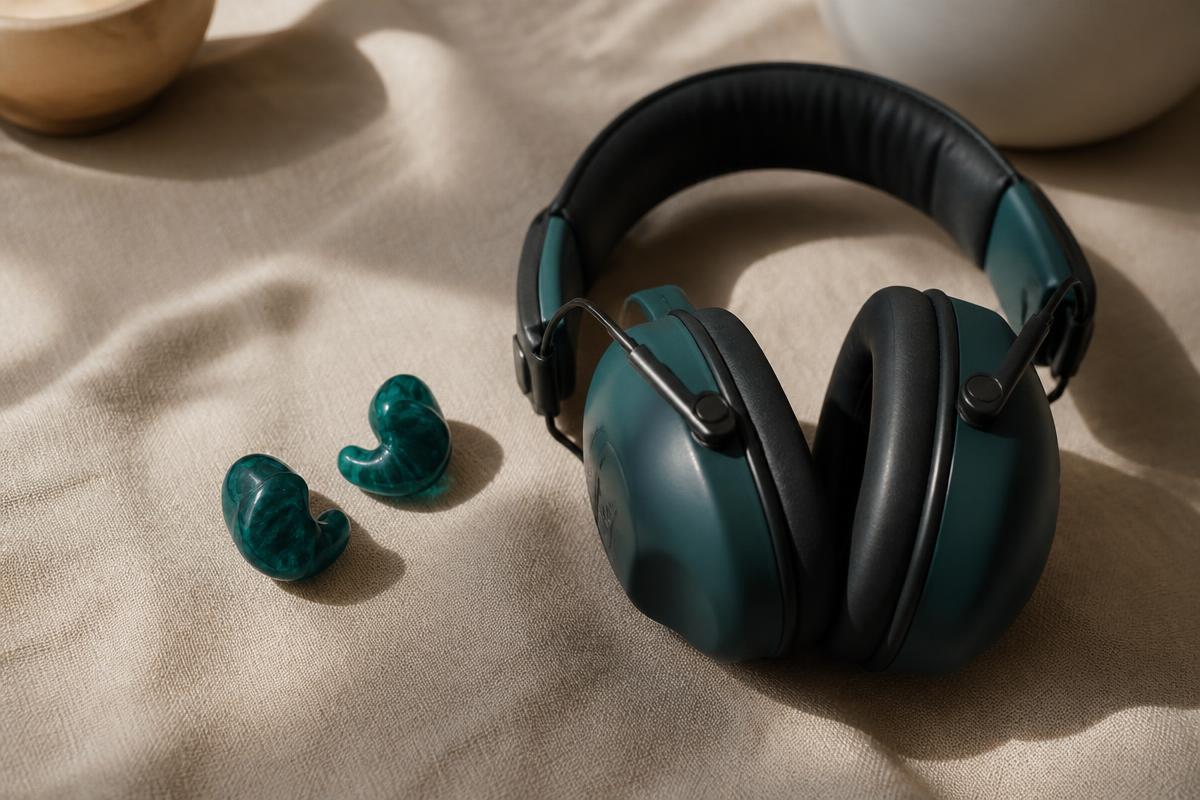
Hearing Protection
Hearing protection reduces the sound energy reaching your inner ear. Noise-related hearing damage is generally considered permanent but also largely…
Learn moreReady to take the next step?
Book a hearing assessment or send us your question — we will reply personally.