Hearing Loss Support
Short answer
Hearing loss means a reduced ability to detect or understand sound in one or both ears. It often develops slowly, so the earliest signs are usually social — struggling in background noise, or needing repetition — rather than sudden silence. Causes range from earwax and middle-ear problems to noise exposure and age-related changes, and a hearing assessment is what distinguishes them.
Because hearing usually changes gradually, people adapt without noticing. Understanding the type and degree of a hearing difference is what makes it possible to respond sensibly — sometimes medically, sometimes with technology, sometimes with small changes in how you communicate.
Request an appointment for this service
Who it may be for
- You suspect your hearing has changed over the past few years
- A family member has raised it with you
- You have a history of noise exposure
- You have hearing difficulty in one ear only
- You already know you have hearing loss and want support that fits your life
Common signs and symptoms
- Frequently asking for repetition
- Difficulty on the phone or with unfamiliar voices
- Missing softer consonants so words sound similar
- Tiredness after social events
- Withdrawing from group conversation because it takes effort
What happens during the appointment
A structured discussion of your history and the situations you find difficult
Examination of the ears
A hearing assessment to establish type and degree
An explanation of whether findings suggest medical review, ear care or hearing technology
A written summary of what was found and what was recommended
What to expect afterwards
Support is rarely one single step. It may include communication strategies, follow-up testing, protective habits, and — where appropriate — a trial of hearing technology so you can judge the benefit in your own environments.
Good to know
- Sudden hearing loss, especially in one ear, is treated as urgent by hearing professionals — seek prompt medical care rather than waiting.
- Hearing difficulty in one ear only should always be assessed.
- Untreated hearing difficulty can make listening tiring; addressing it is about energy and connection, not only volume.
Common questions
Related services
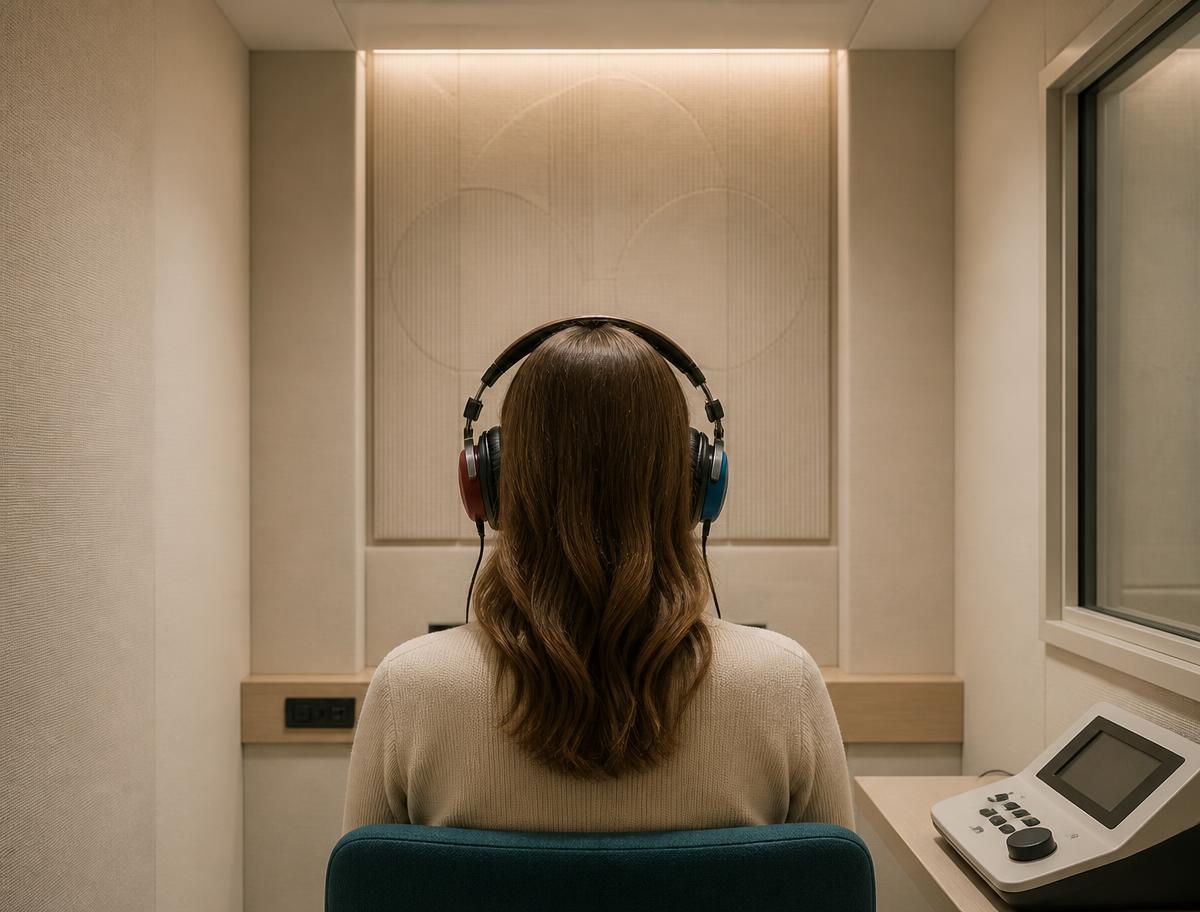
Hearing Test & Hearing Assessment
A hearing test is a painless set of checks that measures how well you hear different pitches and volumes, and how clearly you understand speech.…
Learn more
Hearing Aids
A hearing aid is a small programmable device that picks up sound, processes it and delivers it to your ear shaped to your own hearing profile. It does…
Learn more
Tinnitus Support
Tinnitus is the perception of sound — ringing, buzzing, humming or hissing — when there is no external sound source. It is a symptom rather than a…
Learn moreReady to take the next step?
Book a hearing assessment or send us your question — we will reply personally.