Tinnitus · 7 min read
Living with tinnitus: what actually helps
Tinnitus rarely responds to willpower. It responds to sound, sleep, attention and understanding.
Last updated:
Short answer
Tinnitus is the perception of sound with no external source. It is usually not dangerous, but it can be exhausting. What helps most is reducing silence with gentle background sound, protecting sleep, treating any hearing loss, and lowering the alarm value the sound carries. A hearing assessment is the sensible first step.
Tinnitus is often described as ringing, but people also report hissing, buzzing, whistling or a pulsing sound. It is extremely common, and for many people it comes and goes without ever becoming a problem. When it does become a problem, it is usually because of how much attention it demands rather than how loud it is.
Why it gets louder at night
The sound itself usually does not change. Silence does. In a quiet bedroom there is nothing else for the hearing system to work with, so the internal signal becomes the loudest thing in the room. Adding a low level of neutral sound gives attention somewhere else to go.
Habits that reduce its impact
- Avoid total silence: a fan, soft music or nature sound at a level below the tinnitus.
- Protect sleep with a consistent routine — tiredness makes tinnitus feel louder.
- Address any hearing loss, because unaided hearing loss often increases tinnitus awareness.
- Reduce stimulants and alcohol late in the day if you notice a pattern.
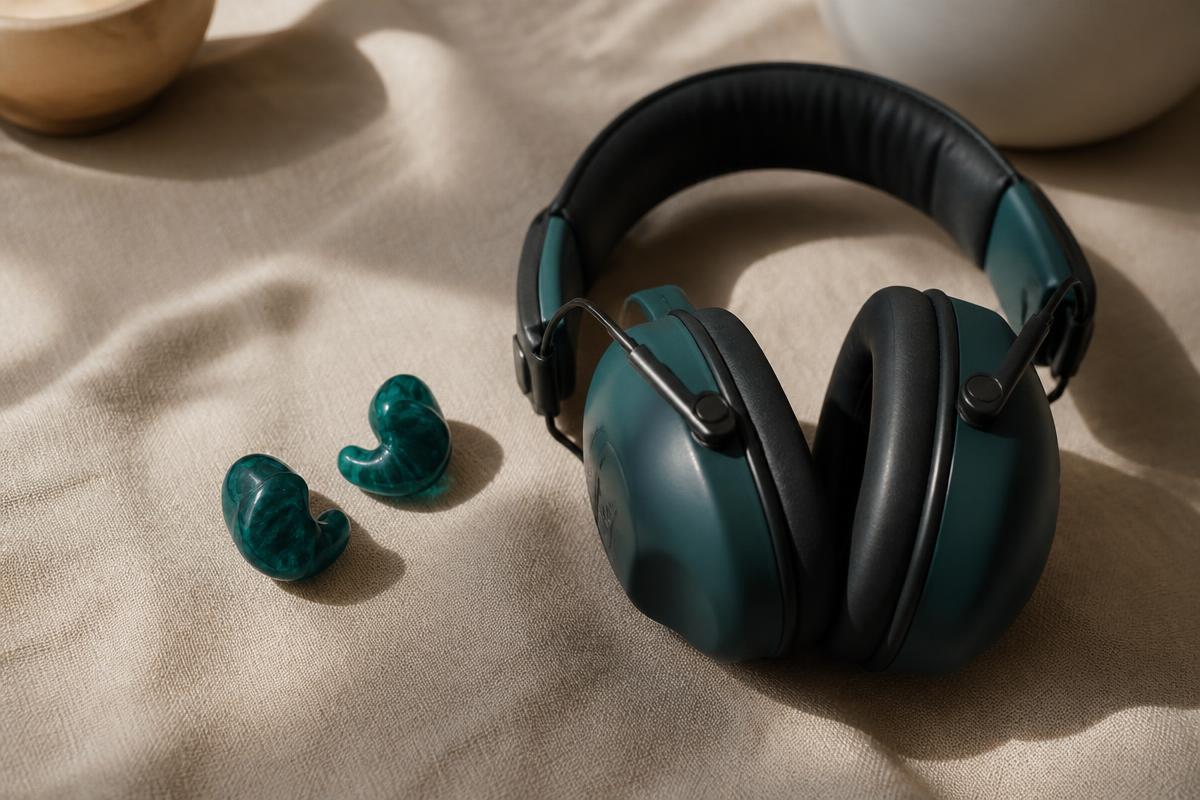
- Use hearing protection around loud sound instead of avoiding sound altogether.
- Track what changes it, so decisions are based on your pattern rather than general advice.
When tinnitus needs prompt attention
Speak to a doctor without delay if tinnitus is in one ear only, arrives suddenly, pulses in time with your heartbeat, or comes with sudden hearing loss, dizziness, ear pain or discharge. These features do not mean something serious is happening, but they should be checked rather than monitored at home.