Prevention · 6 min read
Protecting your hearing from noise
Noise-related hearing loss does not heal. The good news is that the exposure causing it is usually something you can change.
Last updated:
Short answer
Sound becomes risky when it is loud enough that you must raise your voice to be heard, and the risk grows with duration. Use fitted or filtered hearing protection in noisy work, at concerts and with power tools, keep earphone volume moderate, and take quiet breaks. Damage from noise cannot be reversed, so prevention is the whole strategy.
The inner ear contains hair cells that convert sound into nerve signals. Loud sound damages them mechanically and metabolically, and they do not regenerate. That is why noise-related hearing loss is permanent — and why it is worth treating loud environments as something to plan for.
How to judge when sound is too loud
- You have to raise your voice to talk to someone an arm's length away.
- Your ears ring, feel full or sound muffled afterwards.
- Speech sounds dull for a while after leaving the environment.
- You use power tools, machinery, firearms or amplified music regularly.
Protection that people actually wear
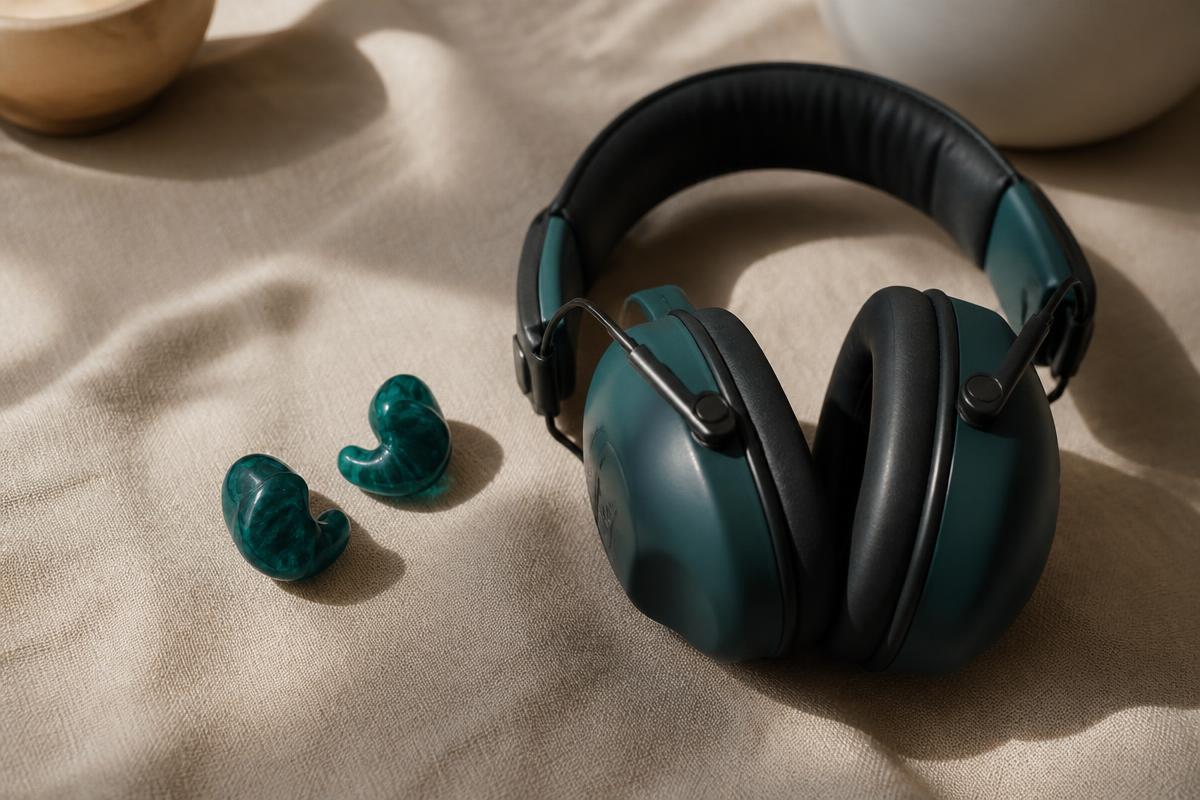
The best protection is the one you keep in. Foam plugs block a lot but muffle everything, which is why musicians and many workers prefer filtered or custom-moulded protection that lowers the level while keeping speech and music natural. Comfort and fit matter more than the highest possible rating.
If you already work in noise, a baseline hearing assessment and regular follow-up checks let changes be spotted while they are still small.